Insulation removal in Fernley NV - a clean attic ready for new insulation
Soaked, moldy or droppings-filled insulation in your attic? We vacuum it or bag it out so new insulation goes onto a clean, dry attic.
Find out if your insulation must go
Our hours run 8 AM to 9 PM every day, so call (775) 980-1020 or use the form after you've had a look in the attic.
Does your old attic insulation really need to come out?
Insulation removal in Fernley clears spoiled insulation out of your attic so new insulation goes onto clean, dry framing, and at M&T Fernley Spray Foam Insulation we take it out only when it's actually bad.
Most calls start with a hot upstairs, a power bill that keeps climbing, or droppings and water stains someone found by the hatch. A lot of the time the old insulation can stay, and the real work is sealing gaps and adding a layer on top. When it does have to come out, the price turns on the size of your attic, what kind of insulation is up there and how dirty it is. The schedule turns on those same things plus how hard the attic is to get into, and your own number comes from the on-site estimate.
Why Fernley homeowners call M&T Fernley Spray Foam Insulation for insulation removal
You meet the owner first
I'm the one who comes out to look at your attic and write the estimate, and our own installers do the removal. You know who's deciding what comes out and who pulls it.
Roofing first, insulation since 2017
I spent years on roofing crews seeing thin, crushed insulation and open gaps before I started this business in 2017. That's why I'll tell you when a clean, dry layer can stay put.
Licensed and insured, any job size
Nevada lets some repairs under $1,000 skip a contractor's license, but not once a permit is required or the work is part of a $500-plus larger project. We're licensed and insured, so it's not your worry.
On a removal job, what matters most is finding out why the insulation went bad before anything new goes in. We're based in Fernley and work in Silver Springs, Sparks, Reno, Fallon, Dayton and the cities around them, so tell us about your attic or call (775) 980-1020.
How we handle insulation removal
First I want to know why the old insulation went bad, because new material over a live roof leak or a rodent hole just fails again, so we point that out before anything comes out. Blown-in insulation, the loose fill that gets blown through a hose, is vacuumed out, and batts are pulled and bagged by hand so the mess stays contained instead of drifting through your house. Anything soaked with urine or full of droppings goes straight into plastic bags on its way out. Vermiculite is the one thing we don't touch, and it goes to a separate asbestos abatement contractor. Once the attic is bare, we check the gaps around can lights, pipes and the hatch and make sure the eave vents are clear, since those are what the next layer has to work with.
Removal is often just the first part of the job. If rodents or water got into the attic, it's worth checking under the floor too, where crawl space insulation can take care of cold floors once any spoiled material is gone. And if a leak ran down inside a wall, we'll look at whether that cavity needs wall insulation before we close out the job.
Vacuum removal for blown-in
This suits attics full of loose fiberglass or cellulose. The hose pulls it straight out to the truck, so very little of it crosses your living space.
Hand removal for batts and board
This suits attics with batts, rolls or rigid foam board, which a vacuum can't take. Our installers pull and bag it piece by piece so it leaves your house sealed up.
Spot removal around a leak
This suits an attic where one patch got wet but the rest is dry and clean. We take out the bad section and leave the good insulation, so you don't pay to replace what still works.
How can you tell your attic insulation needs to come out?
Droppings or nests up there
Droppings, tunnels or nests in the insulation mean rodents have been living in it. Waiting lets the smell and mess spread, and new insulation laid on top just gives them more room.
Water stains or soggy patches
A dark, matted patch usually sits under a roof leak. Wet insulation stops working and holds moisture against the framing, so the longer it sits, the more wood it can damage.
A musty smell upstairs
A damp, musty smell near the hatch often means mold in the insulation or on the framing. It rarely clears up alone, and covering it with fresh material keeps the problem going.
Insulation flattened or packed down
Stored boxes, foot traffic or old water can crush insulation into a thin mat. Crushed material barely slows heat, so the room over the garage keeps running hot or cold.
What happens after you call about insulation removal in Fernley?
I come out and look
I come out myself, look at your attic and tell you on the spot what I see. Your written estimate says what has to be fixed first and what can wait.
Our installers clear the attic
If the job needs a permit, we pull it and line up the inspections with the city or county office that covers your address. Then our own installers do the removal.
I check before we finish
I check the attic myself before we call the job finished, looking for leftover material along the edges and around the hatch. Then the attic's ready for new insulation whenever you are.
Questions about removing old insulation
These are the questions Fernley homeowners ask most before old insulation comes out. If yours isn't here, ask about your own attic when you call.
How do I know if my old attic insulation has to come out?
One removal guide says it only has to come out if it's wet, moldy, contaminated by rodents, vermiculite or crushed to less than half its original thickness. Dry, clean insulation with no mold or pests can take a new layer on top, and that guide says age alone is no reason to tear it out. I'll tell you which side yours falls on when I look.
How much does insulation removal cost in Fernley?
Removing clean, dry attic insulation usually costs about $1 to $2 per square foot across the US, so treat that as a national figure, not a Fernley quote. Blown-in material that vacuums out sits at the low end, and batts or board pulled by hand sit higher. Your on-site estimate gives you the number for your house.
What should I do if my attic has vermiculite insulation?
Leave it undisturbed, because EPA says to treat vermiculite, a pour-in insulation that looks like small pebbles, as if it contains asbestos. If it has to come out, EPA recommends a trained and accredited asbestos abatement contractor who is separate from whoever assessed it, so there's no conflict of interest in the call. We don't remove vermiculite, and if I spot it, I'll tell you plainly.
How long does attic insulation removal take?
One removal guide puts an attic under 1,000 square feet at one day and a larger attic at two. That's the guide's figure, and yours depends on what's up there and how easy it is to reach. Either way, you can plan around a short visit rather than a long project.
Do we have to leave the house during insulation removal?
Usually not for ordinary removal, since the work stays in the attic and the old material leaves in bags or through the vacuum hose. Asbestos work is different, and EPA guidance says household members and pets stay out of the work area until it's done, while the contractor seals the area with plastic sheeting and turns off the heating and air conditioning. If vermiculite is part of your job, plan ahead for where everyone will stay.
Do I need a permit to remove insulation in Fernley?
The city's Building Division handles construction permits and inspections in Fernley, so it's the office that decides whether your removal needs one. Before you book, you can read the city's Work Exempt From Residential Permits handout alongside its permit rules. If yours does need a permit, we take care of it, as the steps above say.
Get a free estimate for your attic
Tell us your attic's rough size and whether you've seen pebble-like, gray-brown or silver-gold insulation up there. We'll reply within one business day to set up a free on-site estimate, with no obligation.
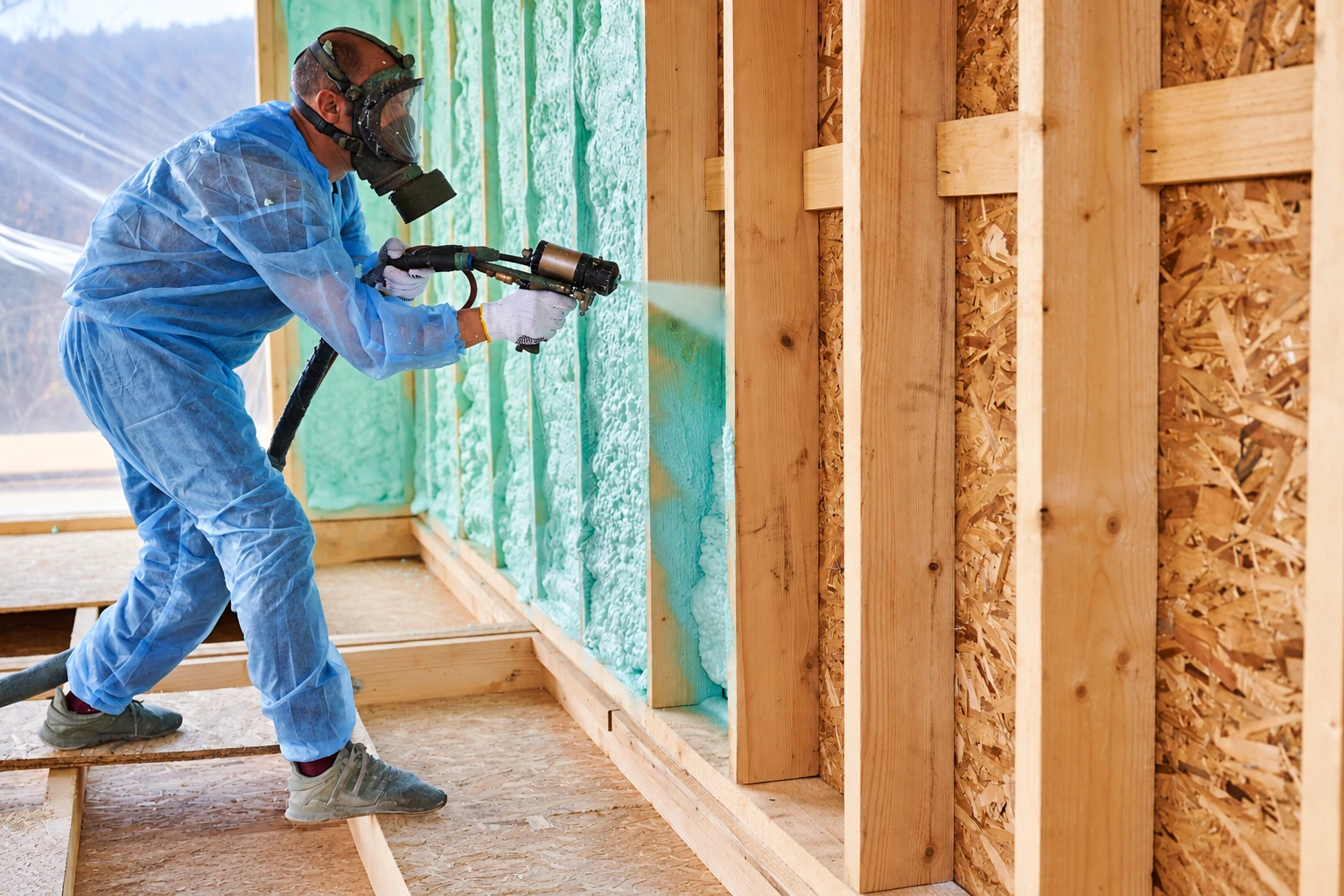
What insulation removal looks like
Work that often follows removal
Crawl space insulation
If droppings or damp insulation turned up in the attic, the space under your floors deserves a look too, since cold floors often start down there.
Learn moreWall insulation
When a roof leak or rodents reached into a wall cavity, refilling that wall keeps the room from staying drafty after the attic is cleaned out.
Learn more